Diani Beach Glass Bottom Boat
Tours & tickets

Hand-picked by our editors — 5 verified marine excursions from 12 operators reviewed

Open today 00:00–23:59
Attendance: Moderate — off-peak season
Activities strictly depend on the daily low tide schedule.
Instant confirmation Mobile voucher Free cancellation Verified partner Small-group option
Tickets

Choose your ticket

Verified partners for every tour, free cancellation where available, and instant confirmation on every booking.

Wasini Island Dhow Expedition with Kisite Marine Snorkeling 9 hr
Guided Experience

Wasini Island Dhow Expedition with Kisite Marine Snorkeling

4.6 (523)
€80
per person
Instant Mobile voucher Flexible — change up to 24h

Sail a traditional dhow to a protected marine park, snorkel coral reefs, and feast on Swahili seafood

Reserve
Robinson Island Glass-Bottom Boat & Snorkeling Adventure 3 hr
Standard Entry

Robinson Island Glass-Bottom Boat & Snorkeling Adventure

4.5 (14)
€35
per person
Instant Mobile voucher Flexible — change up to 24h

Discover vibrant coral reefs and tropical fish through a glass-bottom boat, then snorkel at a tidal sandbank.

Reserve

Prices from verified partners. Availability updates in real time at checkout. Free cancellation policies apply where shown.

Highlights

What you'll see inside the attraction

The landmarks, rooms, and views travelers on this tour remember — all visible on a single visit.

Robinson Island Sandbank

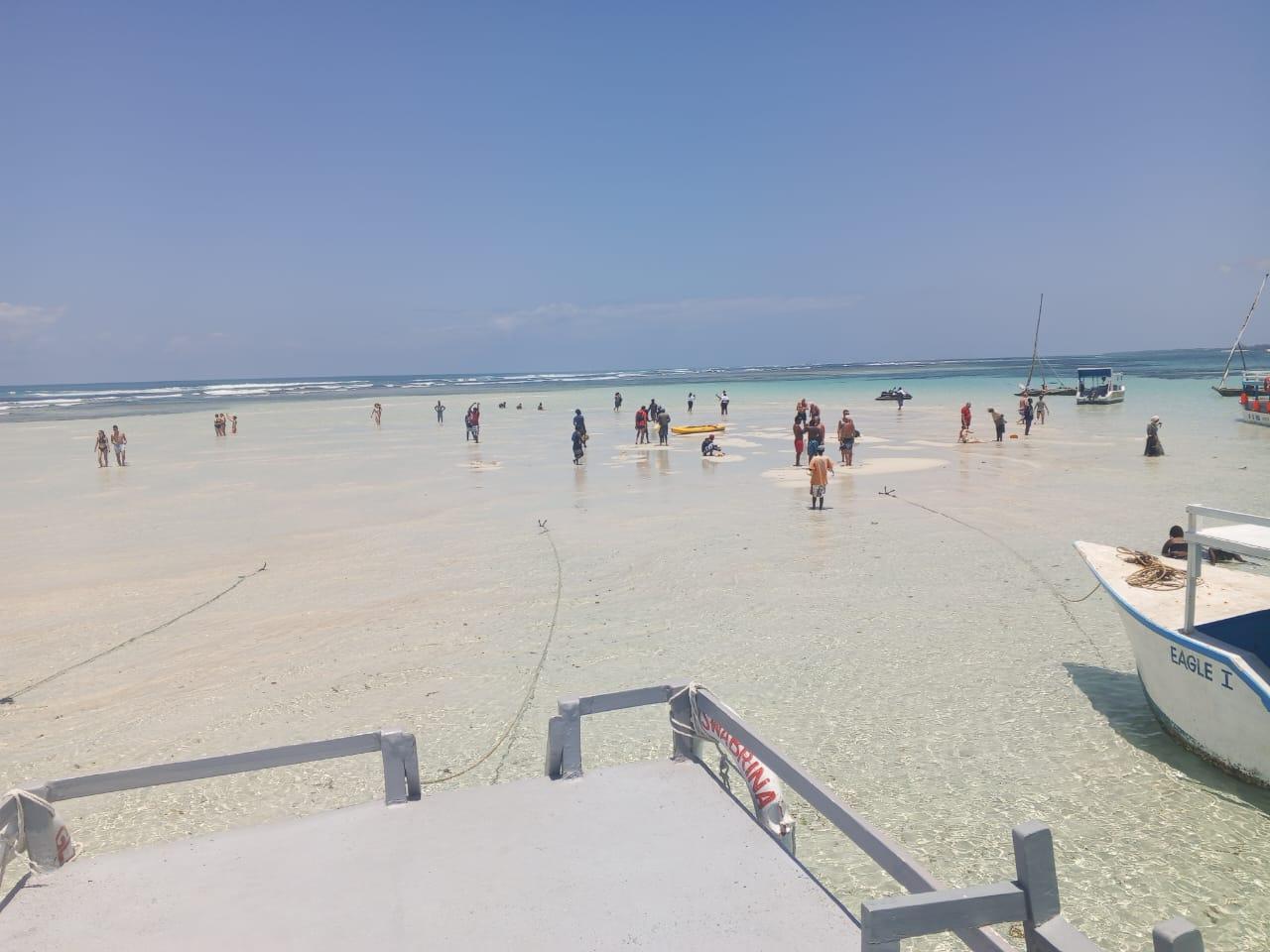
A temporary pristine white sandbank appearing only at low tide for swimming and photos.

Coral Reef Gardens

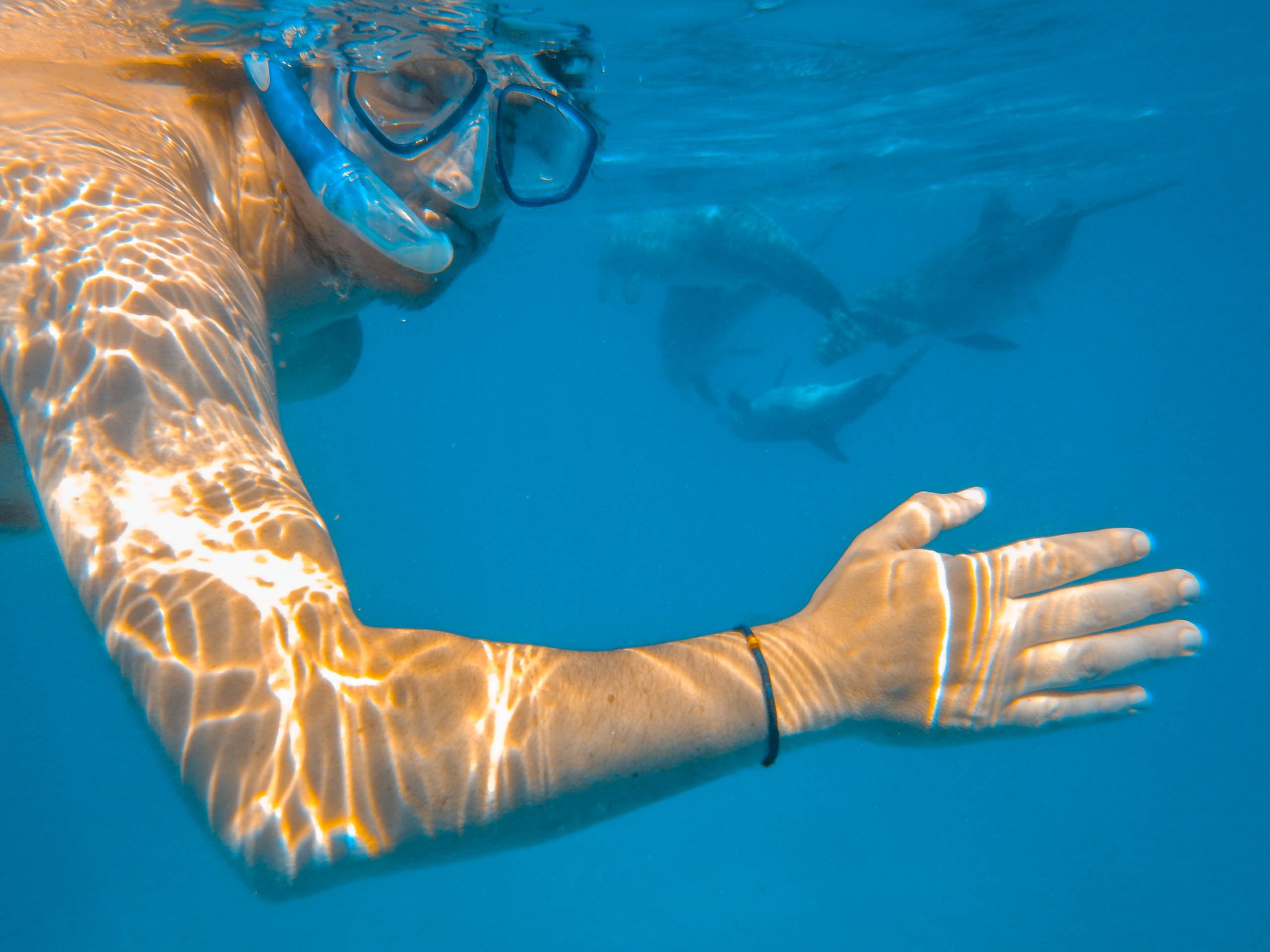
Home to tropical fish, starfish, and sea urchins visible through the transparent hull.

Glass Bottom Viewing Deck

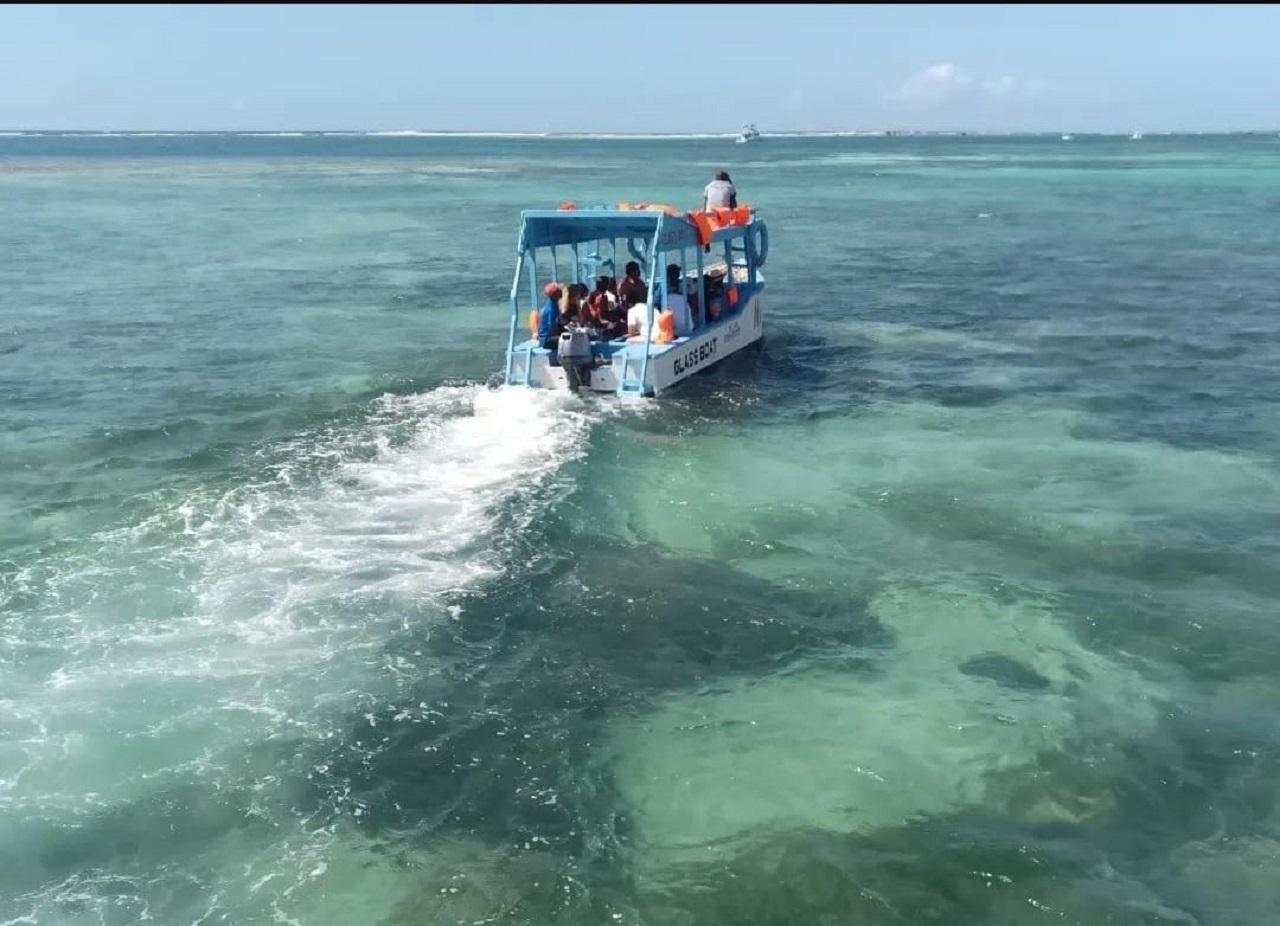
Specially designed panels allowing an underwater view of the lagoon without entering the water.

Crystal Lagoon

The turquoise shallow waters surrounding the sandbank perfect for snorkeling in calm conditions.

Head to head

Glass Bottom Boat Diani Beach vs. Kisite Marine Park Excursion

They complement each other; most visitors who do both call the Kisite Mpunguti marine safari the more thrilling full-day expedition compared to the local sandbank visit. Choosing glass bottom boat diani beach tours offers a relaxed, tide-dependent alternative to the deep-water snorkeling found further offshore.

Feature Top pick Robinson Island Kisite Mpunguti
Time Commitment
6–8 hours
Marine Biodiversity
Dolphins and coral gardens
Travel Distance
Requires transit to Shimoni
Cultural Inclusion
Swahili coastal community exposure
Primary Activity Focus
Open sea snorkeling and wildlife

Verdict: Select a glass bottom boat diani beach tour if you prefer a brief, accessible outing, whereas the Kisite Mpunguti excursion is better suited for travelers seeking intensive marine exploration.

How your ticket works

Book your ticket in 3 steps

  1. 01

    Book online

    Choose your ticket, select your date, and reserve in under two minutes. Secure checkout handled by our verified partner.

  2. 02

    Receive your mobile voucher

    Instant confirmation by email, with a mobile voucher you can save offline. No printing, no queuing at a collection desk.

  3. 03

    Show & enter

    Arrive at the entrance, show your voucher on your phone, and walk in. Most tickets include priority or skip-the-line access.

Plan your visit

Everything you need to know before you go

Practical details for your visit straight from our verified partners — hours, access, rules, and how to get there.

Open today · 00:00–23:59
Best arrival window
07:00–17:00
Address
Robinson Island Sandbank, Diani Beach, Kwale County, Kenya
Accessibility
Not wheelchair accessible; moderate fitness required
Weather
Tide-dependent activity
Storage
Not available; keep belongings minimal
Navigation
Tuk-tuk or private hotel transfer recommended
Mon
00:00–23:59
Tue
00:00–23:59
Wed
00:00–23:59
Thu
00:00–23:59
Fri
00:00–23:59
Sat
00:00–23:59
Sun
00:00–23:59
Location

Address
Robinson Island Sandbank, Diani Beach, Kwale County, Kenya
Storage
Not available; keep belongings minimal
Navigation
Tuk-tuk or private hotel transfer recommended

Dress code

Wear swimwear or light beach attire, but bring a change of clothes for post-tour comfort. A hat and sunglasses are highly recommended to protect against equatorial sun.

Bags & security

Secure your personal belongings at your hotel as the sandbank provides no lockers. Carry only water-resistant bags for essentials like sunscreen and phones.

Photography

The sandbank is a prime spot for coastal photography. Ensure your camera or phone is in a waterproof pouch to protect against salt spray and sudden splashes.

Accessibility

Tours are not wheelchair accessible and often require stepping into shallow water. Travelers with back problems or limited mobility should consult their specific boat operator before booking.

What to bring

  • Sunscreen
  • Water-friendly shoes
  • Towels
  • Swimwear
  • Waterproof camera pouch
  • 1 liter of water

Not allowed

  • Large suitcases
  • Heavy camera equipment
  • Alcoholic beverages
  • Single-use plastics
  • Drones (without permit)
  • Pets
  • Sharp objects
  • Glass bottles

Families & strollers

This is a family-friendly activity suitable for children who can swim. Life jackets are provided by most operators to ensure safety during the glass bottom boat diani beach experience.

Food & drink

Most tours provide drinking water but do not include meals. Bring your own snacks or arrange for a beachside meal at one of the Diani Beach restaurants after your trip.

Around your visit

Everything else worth knowing

Best time to go, insider tips, nearby landmarks, and the cancellation fine print — flip through to skim what matters to you.

Cancellation policy

Flexible, no hidden fees.

Operators typically require 24–48 hours notice for full refunds. Fees for tours are set by private operators with no formal entrance fee of 0 KES charged by the island itself.

About

The place, in context

Robinson Island exists only at low tide. Twice daily, the Indian Ocean retreats from a submerged sandbank two kilometers offshore from Diani Beach, exposing a crescent of white sand that vanishes again within hours. The phenomenon has anchored glass bottom boat diani beach excursions since the early 1990s, when Kenyan marine operators began fitting dhows and motorized launches with reinforced acrylic panels to showcase the coral gardens that ring the shoal. The transparent hulls turn the journey into a continuous reef survey — passengers drift above staghorn thickets, boulder corals the size of dining tables, and resident populations of parrotfish and butterflyfish without entering the water. The route crosses the Diani Marine Conservation Area, a community-managed zone established in 2003 to protect 35 square kilometers of fringing reef from blast fishing and anchor damage. Water clarity peaks between November and March, when northeast monsoon winds settle and visibility reaches 15 meters. The Robinson Island sandbank itself measures roughly 200 meters at its widest exposure, appearing as a tidal platform rather than a permanent landmass. Operators time departures to coincide with the two-hour window around low tide, when the sand rises fully above the waterline and passengers can disembark for shallow wading. The seafloor surrounding the island drops to four meters within 50 meters of the shore, creating a natural amphitheater where schools of sergeant majors and snappers congregate near the tidal edge. Most glass bottom boat diani beach tours pair the island stopover with snorkeling runs along the outer reef slope, where hard coral cover averages 40 percent and green turtles patrol eel-grass beds. A handful of operators extend the route south to Kisite-Mpunguti Marine National Park, a 28-square-kilometer reserve gazetted in 1978 and recognized for spinner dolphin sightings and manta ray cleaning stations. The boats themselves range from traditional Swahili dhows retrofitted with viewing panels to purpose-built fiberglass launches carrying up to 20 passengers. Acrylic panels span one to three meters, mounted flush with the keel to eliminate surface glare. Guides carry laminated reef identification charts and point out crown-of-thorns starfish, octopuses tucked into crevices, and the occasional hawksbill turtle gliding beneath the hull. Departures cluster between 7:00 and 10:00 to capture optimal tidal conditions and morning light angles that illuminate the reef structure without midday haze. Return crossings often include sightings of humpback dolphins, particularly during the southern migration window from July through October when pods of 15 to 30 individuals move through the channel.

"Robinson Island exists only at low tide — a sandbank that appears for two hours, then vanishes beneath the Indian Ocean."
Your experience

What a tour day looks like

A step-by-step walkthrough of the visit — what you'll see, how long each stage takes, and the details that matter.

You board at Diani's main jetty as the tide chart confirms a 0.4-meter low in 90 minutes. The glass bottom boat diani beach tour begins with a slow motor through the inner lagoon, the acrylic panel beneath your feet revealing sandy patches stippled with sea cucumbers and ghost crabs. Within ten minutes the reef slope steepens — brain corals the size of boulders appear, their surfaces pocked with Christmas tree worms that retract as the hull's shadow passes. Your guide taps the glass and points to a camouflaged scorpionfish pressed against a ledge. The sandbank emerges ahead, a white crescent ringed by turquoise shallows. You step onto firm sand still slick with receding water, the ocean pulling away to expose tidal pools where juvenile snappers dart. The captain anchors 20 meters offshore in chest-deep water, the glass panel now framing a live reef theater — angelfish graze algae, a moray eel threads through staghorn branches, a green turtle surfaces for air then descends in a slow spiral. You wade along the island's edge, pausing where the sand drops into deeper channels and the current carries plankton upwellings that attract dense baitfish schools. Thirty minutes later the tide turns, the first wavelets lapping over the lowest corner of the bar. You reboard for the return crossing, the hull gliding above reef formations that shift from gold to shadow as the sun angles past noon.

Frequently asked

Frequently asked questions about glass bottom boat diani beach tours

What are the opening hours for a glass bottom boat diani beach trip?

The Robinson Island sandbank is accessible at all times, but tours are best taken within the 07:00–17:00 window depending on low tide.

Is there an entrance fee for the glass bottom boat diani beach experience?

No, there is an entrance fee of 0 KES for the sandbank, though you must pay your private boat operator for the tour.

When is the best time to visit Robinson Island?

The best arrival window is 07:00–17:00, timed strictly with the low tide to ensure the sandbank is exposed.

Can children join a glass bottom boat diani beach tour?

Yes, glass bottom boat diani beach tours are ideal for families, and life jackets are provided for all ages.

What is the duration of a typical glass bottom boat diani beach tour?

Most glass bottom boat diani beach tours last between 2 and 4 hours, depending on your chosen package.

Do I need to be a strong swimmer for a glass bottom boat diani beach tour?

No, you do not need to be a strong swimmer as the boat allows viewing marine life without getting wet, though swimming is an option.

Are there prohibited items on a glass bottom boat diani beach tour?

Yes, avoid bringing large suitcases, drones, or glass bottles; keep your gear limited to what can fit on a small boat.

How do I reach the glass bottom boat diani beach departure point?

Most operators provide pick-up services from Diani Beach hotels via tuk-tuk or private car.

Can I bring my own camera on the glass bottom boat diani beach excursion?

Yes, photography is encouraged on all glass bottom boat diani beach tours; just protect your gear from salt water.

Are there other attractions near the glass bottom boat diani beach?

Yes, you can combine your trip with visits to the Colobus Conservation center or the nearby Kongo River.