4 hr
Glass-Bottom Boat Adventure to Robinson Island
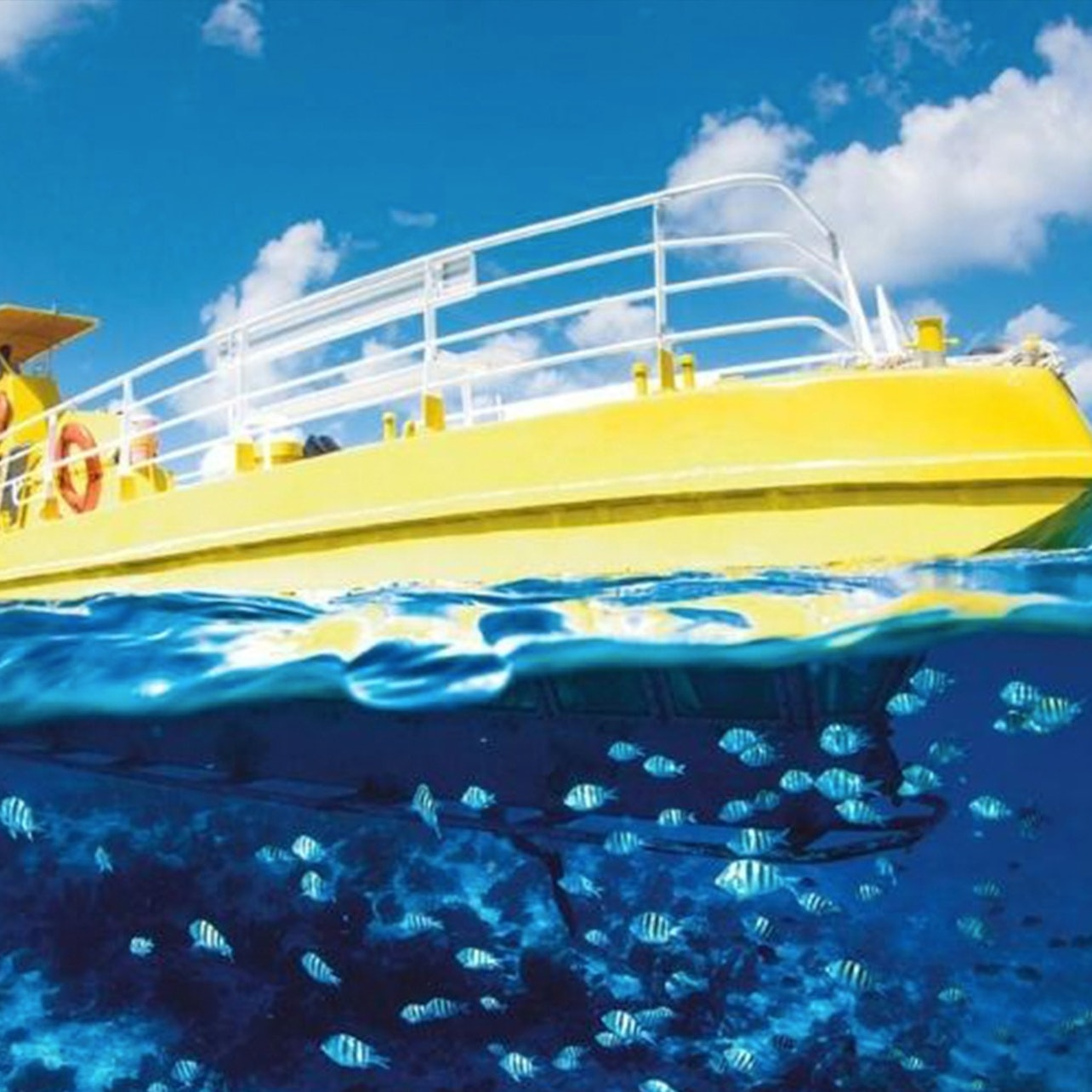
Explore marine life through a transparent boat floor, snorkel vibrant reefs, and relax on a pristine sandbank
Reserve
Tide-timed coral viewing from transparent hulls, sandbank landing at low water
Hand-picked by our editors — only the best 4 marine experiences from 19 reviewed.
Verified partners for Diani Beach Glass Bottom Boat tours, free cancellation where available, and instant confirmation on every booking.
4 hr
Explore marine life through a transparent boat floor, snorkel vibrant reefs, and relax on a pristine sandbank
Reserve
9 hr
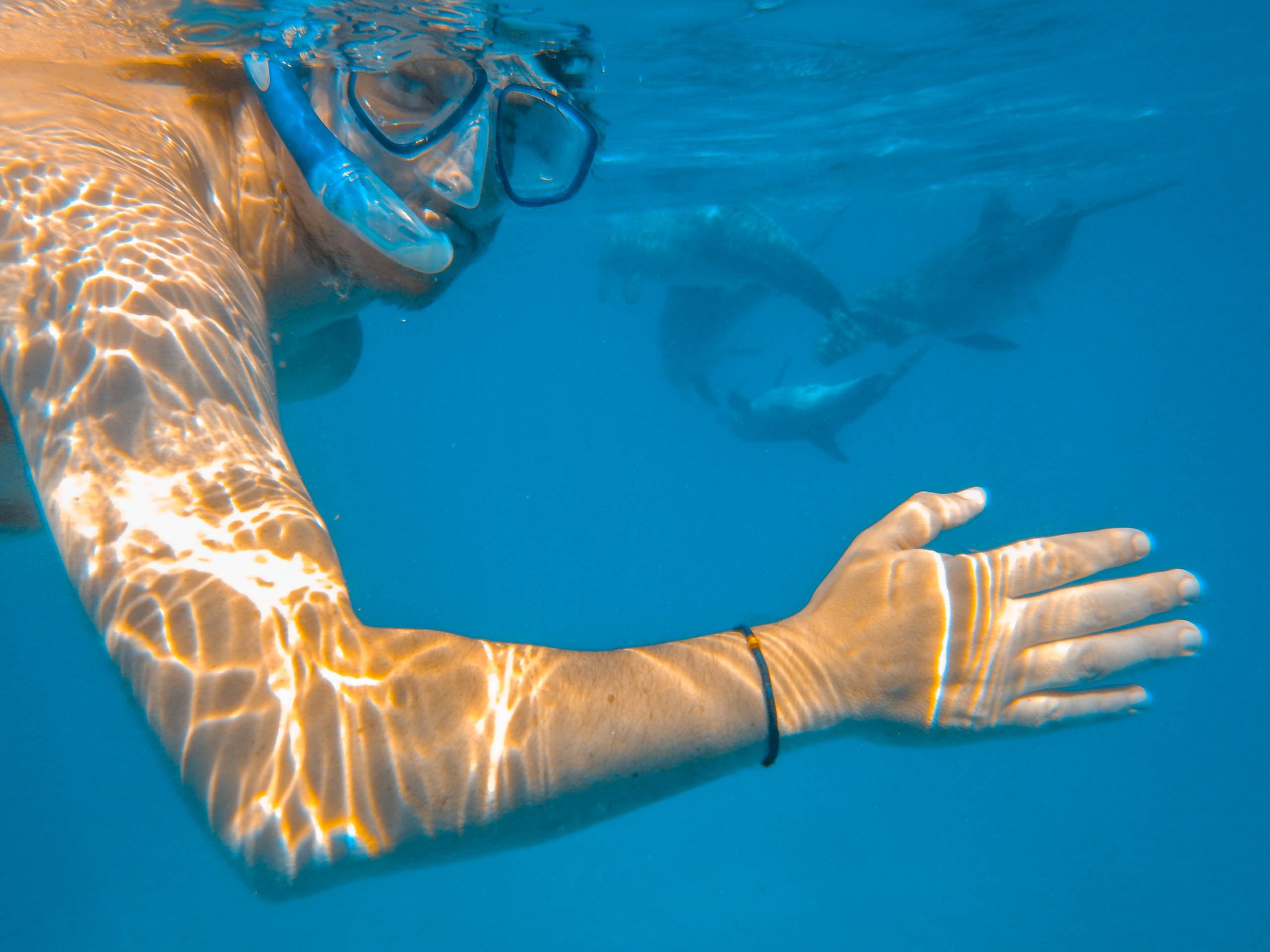
Traditional boat journey to pristine coral reefs, dolphin spotting, and authentic Swahili lunch
Reserve
3 hr
Discover coral reefs and tropical fish through a glass-bottomed vessel, then snorkel at a tidal sandbank.
ReservePrices from verified partners. Availability updates in real time at checkout. Free cancellation policies apply where shown.
Every Diani Beach Glass Bottom Boat tour side-by-side — duration, what's included, how you redeem.
| Experience | Duration | Rating | Transfers | Pickup | Small group | Free cancel. | Price | |
|---|---|---|---|---|---|---|---|---|
|
Standard Entry Most popular
Glass-Bottom Boat Adventure to Robinson Island
|
4 hr | ★ 4.5 | — | ✓ | ✓ | ✓ | €37 | Book → |
|
Guided Experience
Wasini Island Dhow Safari with Marine Park Snorkeling
|
9 hr | ★ 4.6 | — | — | ✓ | ✓ | €80 | Book → |
|
Standard Entry
Robinson Island Glass Boat & Snorkeling Adventure
|
3 hr | ★ 4.5 | ✓ | ✓ | ✓ | ✓ | €35 | Book → |
All prices from verified partners. Availability and exact terms confirmed at checkout.
Robinson Island offers a convenient, low-impact coastal experience, whereas the Kisite-Mpunguti marine excursion provides a more intensive, full-day oceanic exploration. These options complement each other; most visitors who prioritize time efficiency prefer the local excursion, while those seeking deep-sea wildlife find the island tour more immersive.
| Feature | Top pick Robinson Island Tour | Wasini Island / Kisite-Mpunguti |
|---|---|---|
Travel duration |
1.5–3 hours | 6–8 hours |
Marine life density |
Moderate | High |
Dolphin spotting probability |
Low | High |
Accessibility |
Easy, tide-dependent | Moderate, boat transfer required |
Overall experience type |
Relaxed sandbank visit | Active marine park exploration |
| See tickets → |
Verdict: Those needing a quick coastal trip should choose the diani beach glass bottom boat tours, while travelers planning a comprehensive diani beach glass bottom boat tour day should opt for Wasini Island; verify diani beach glass bottom boat tickets availability based on local tides.
Choose your ticket, select your date, and reserve in under two minutes. Secure checkout handled by our verified partner.
Instant confirmation by email, with a mobile voucher you can save offline. No printing, no queuing at a collection desk.
Arrive at the entrance, show your voucher on your phone, and walk in. Most tickets include priority or skip-the-line access.
Practical details for Diani Beach Glass Bottom Boat tickets straight from our verified partners — hours, access, rules, and how to get there.
Diani Beach, Ukunda
Common pickup and launch location for most operators.
Open in Google MapsThe most common way to reach boat launch sites; easy to flag down throughout Diani.
Reliable door-to-door service recommended for those staying further from the beach.
Wear beach-appropriate clothing such as swimsuits, shorts, and light shirts. Bring a change of clothes for after your diani beach glass bottom boat excursion.
Keep belongings minimal and water-resistant. Most operators of the diani beach glass bottom boat provide space for small personal items, but avoid bringing large bags.
Capture views of the Indian Ocean and marine life from the upper deck or through the glass floor. The diani beach glass bottom boat offers unique photo opportunities of tropical fish and coral reefs.
Tours are not wheelchair accessible due to the nature of boarding small boats from the sand or shore. Travelers with spinal injuries or back problems should consult their doctor before booking a diani beach glass bottom boat tour.
Mobile phones are permitted for photography. Use waterproof pouches to protect devices during your diani beach glass bottom boat experience.
This is a popular family activity. Children often receive discounted rates on a standard diani beach glass bottom boat tour, making it an affordable outing.
Carry at least 1 liter of mineral water per person. Some packages for a diani beach glass bottom boat tour include a seafood lunch, but verify this with your provider.
Pets are not allowed on the boats due to safety and hygiene regulations. Please arrange local care before your diani beach glass bottom boat trip.
Always follow the captain's instructions regarding safety and marine life protection. Booking a diani beach glass bottom boat tour in advance is recommended to coordinate with the low tide schedule.
Diani Beach, Ukunda
Common pickup and launch location for most operators.
Get directionsBest time to go, insider tips, nearby landmarks, and the cancellation fine print — flip through to skim what matters to you.
How crowds, weather, and events shift across the year.
Calm seas and clear skies provide the best conditions for a diani beach glass bottom boat tour. This period is ideal for snorkeling and viewing underwater life.
Cooler weather with stable tides makes it comfortable for outdoor activities and coastal exploration.
A transitional month with variable wind conditions; ideal for those seeking quieter travel periods.
Rainy season which may affect the visibility and frequency of boat departures.
Small details that turn a good visit into a great one.
The Robinson Island sandbank is only visible at low tide. Always confirm the daily tide forecast before finalizing your diani beach glass bottom boat plans.
Early sessions often have calmer seas, making it easier to view marine life through the glass bottom.
Check if your tour includes snorkeling gear or seafood lunch to avoid extra costs on the sandbank.
Space is limited on traditional boats; bring only essentials like towels and sunblock.
Do not touch or collect corals and seashells. Let the glass boat provide the view without disturbing the ecosystem.
Prices vary between operators; confirm if you are being charged resident or non-resident rates before boarding.
Non-bookable sights within a short walk — free to visit, easy to pair.
A sacred site of the Digo people with ancient trees and walking trails.
A sanctuary dedicated to protecting local monkey populations through rehabilitation.
Flexible, no hidden fees.
Free cancellation is generally available depending on the booking platform; verify specific terms at the time of purchase. Access is subject to tide conditions and weather, which may affect the schedule of your diani beach glass bottom boat trip.
Hand-picked options within walking distance — pick a district for vibe, or a specific hotel for convenience.
A popular seaside resort with easy access to beach activities.
Beachfront accommodation with high-end dining and diving facilities.
Private villas offering a more intimate experience near the water.
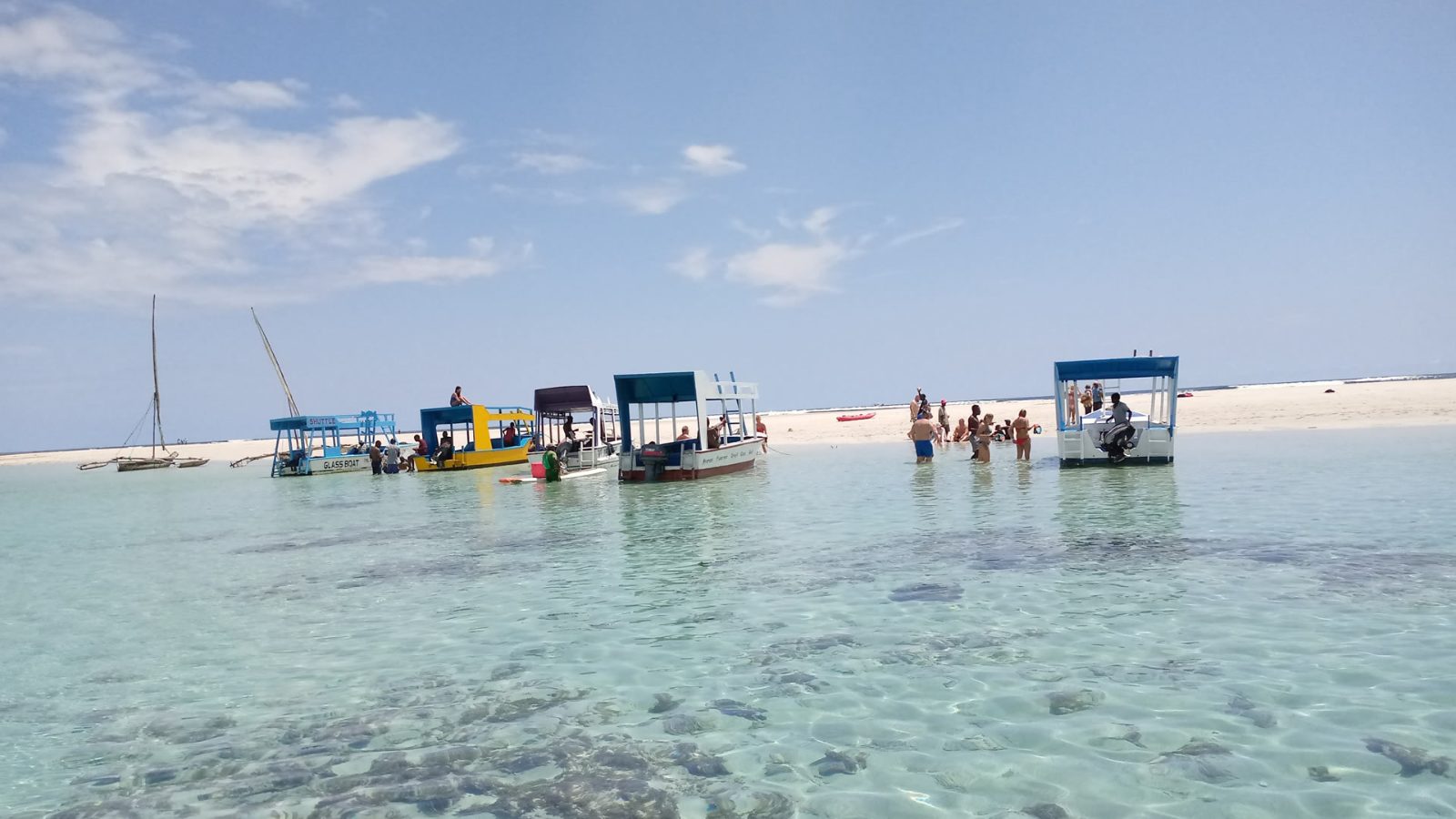
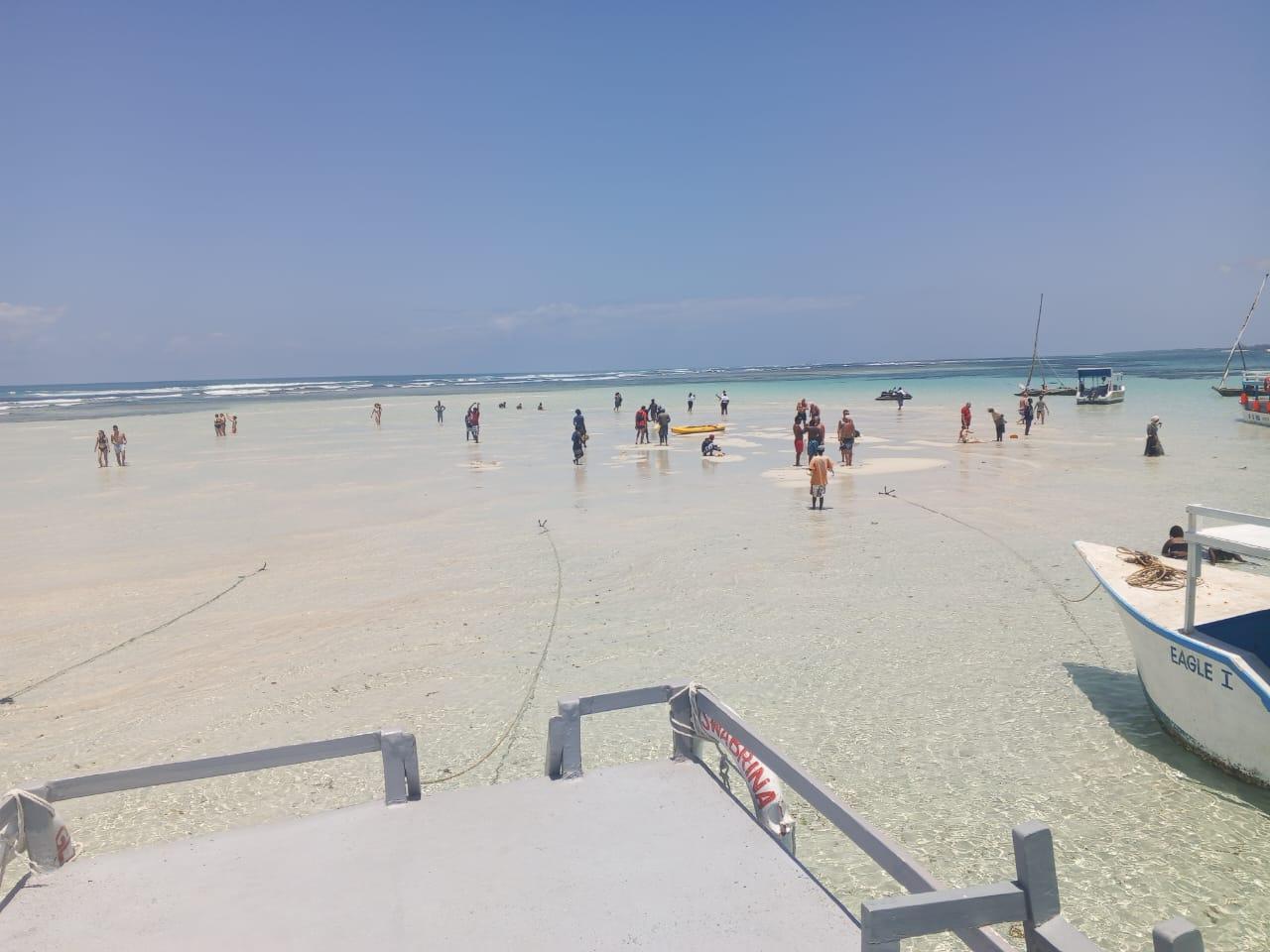
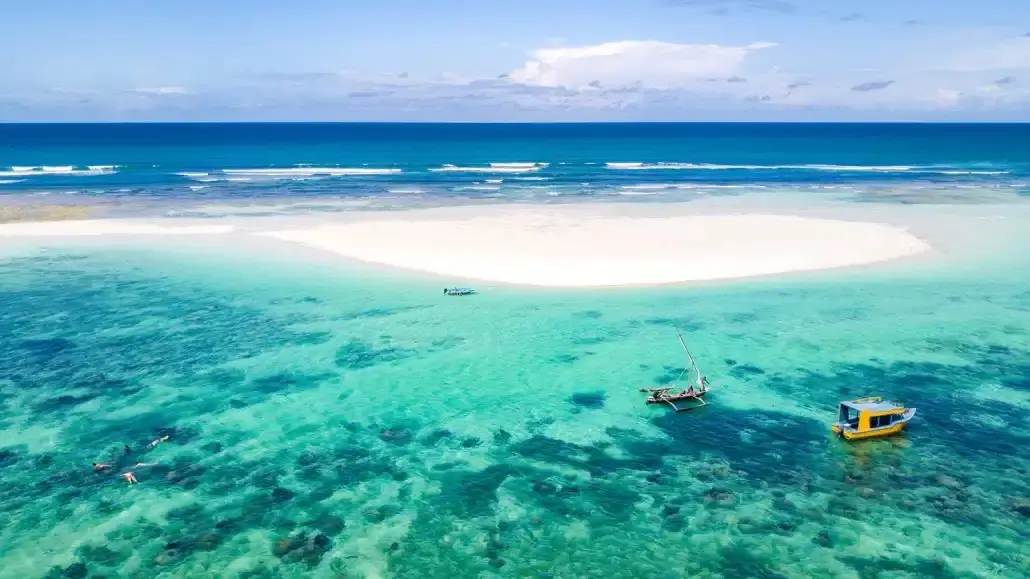
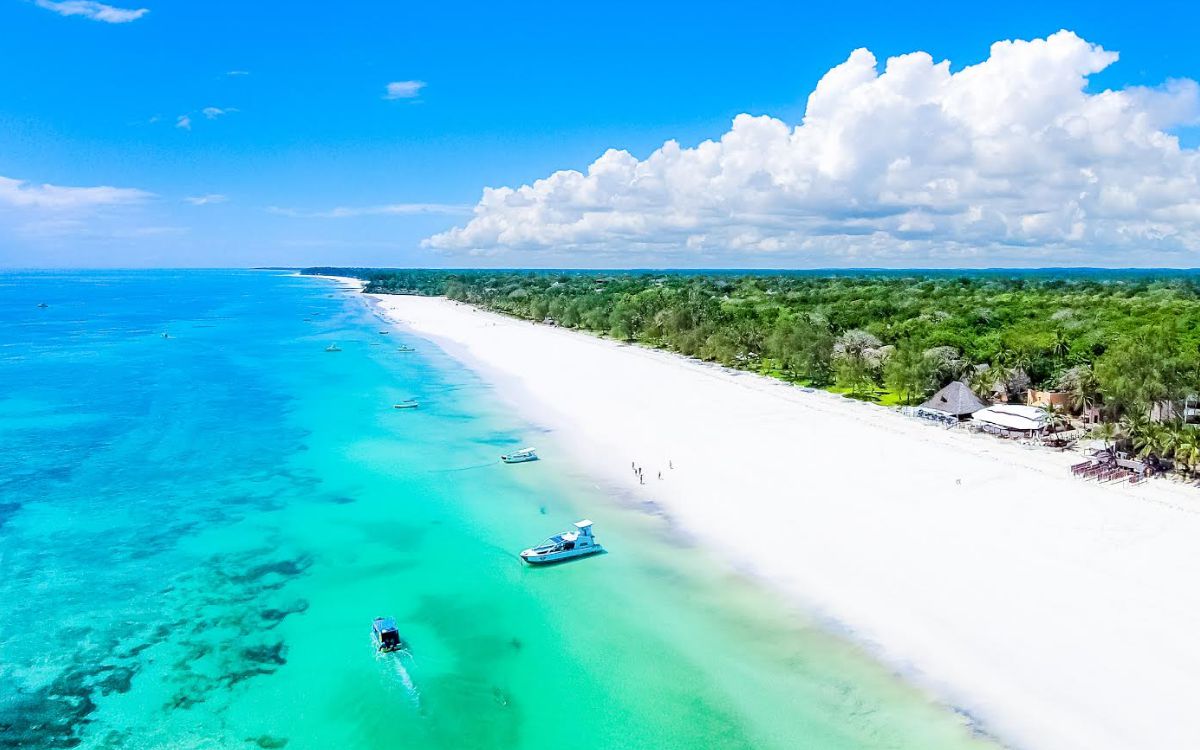
Robinson Island exists only when the Indian Ocean permits. Twice daily, spring tides retreat across the Diani reef platform and expose a crescent sandbank three hundred meters offshore, visible for four to six hours before the sea reclaims it.
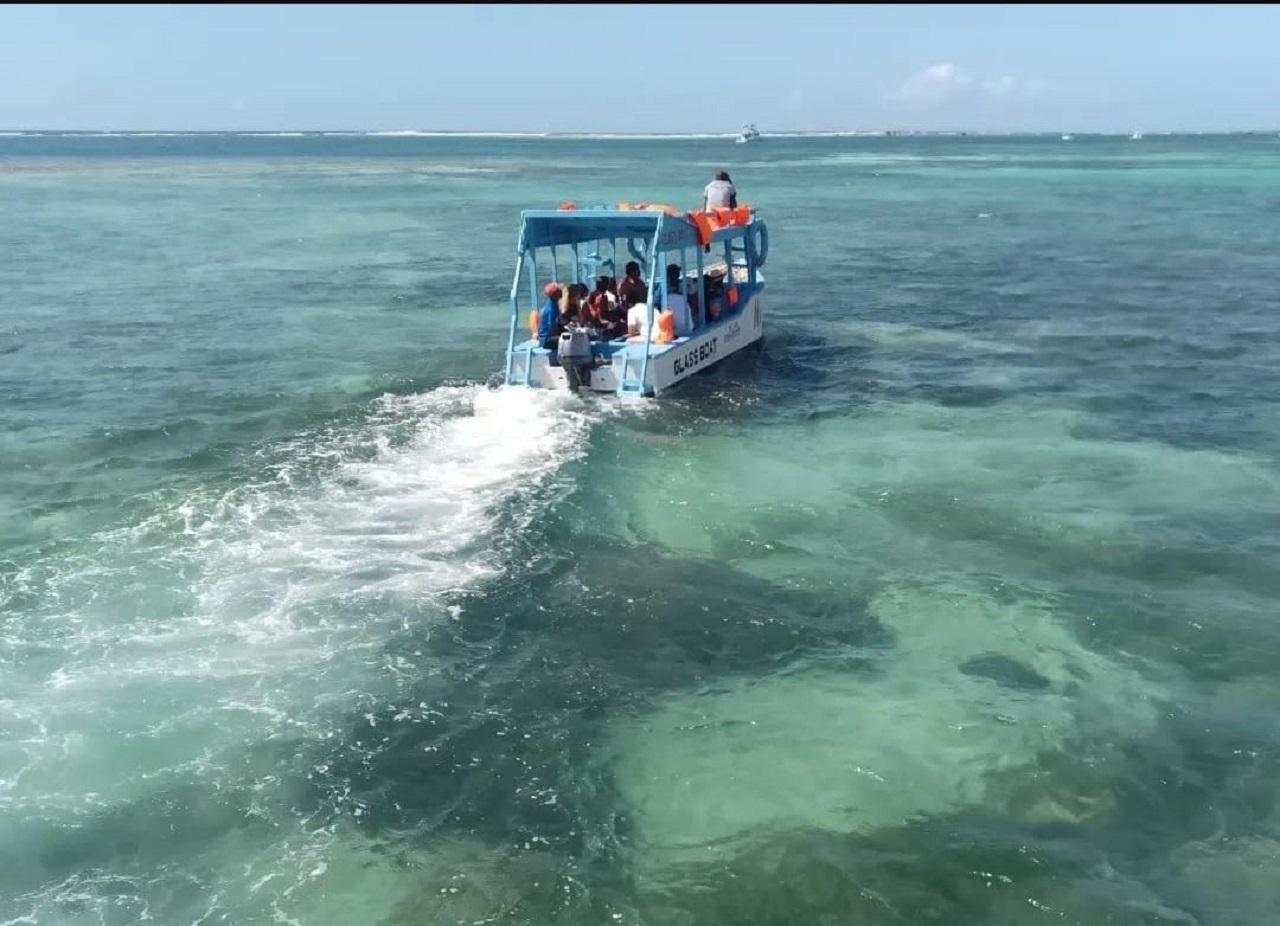
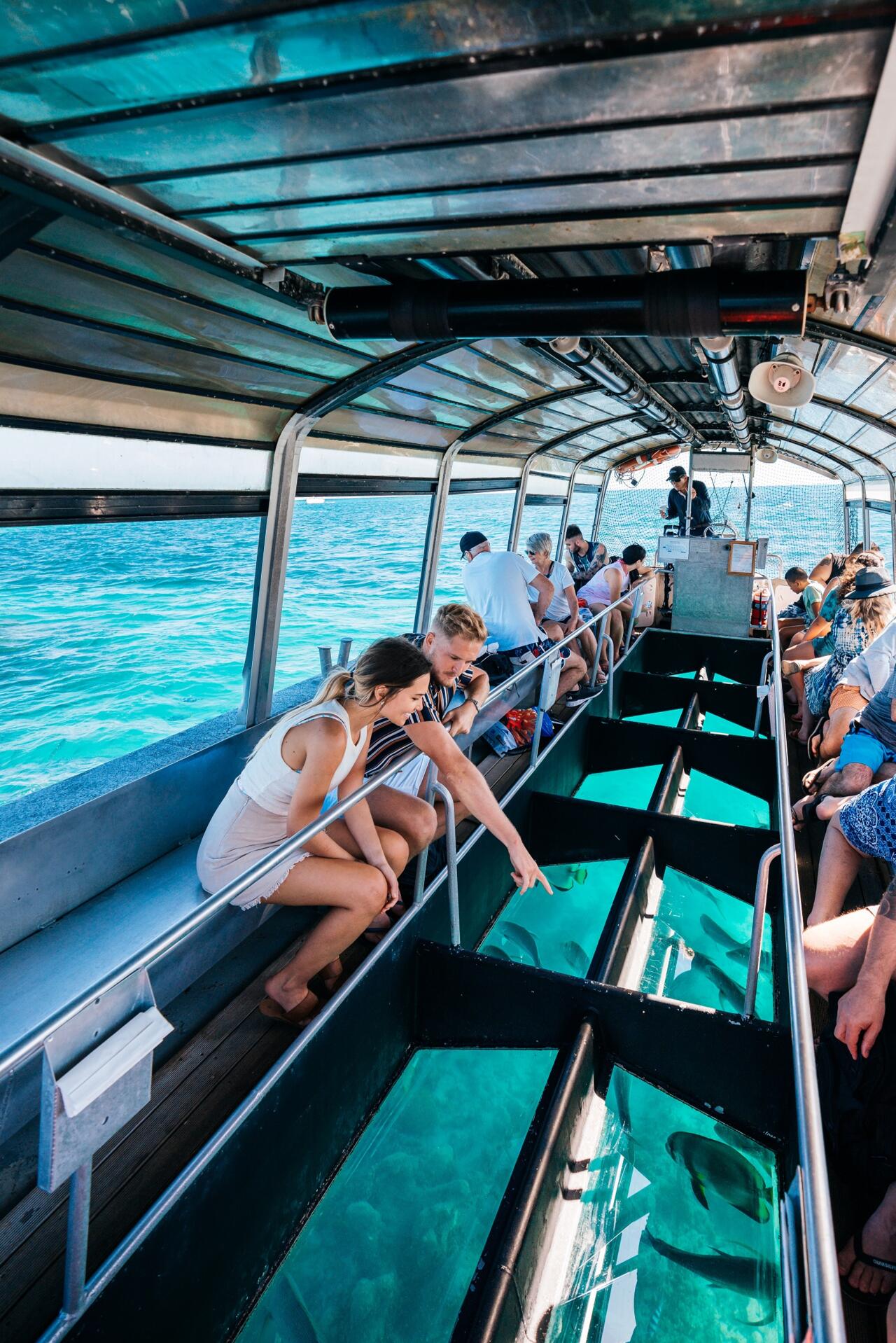
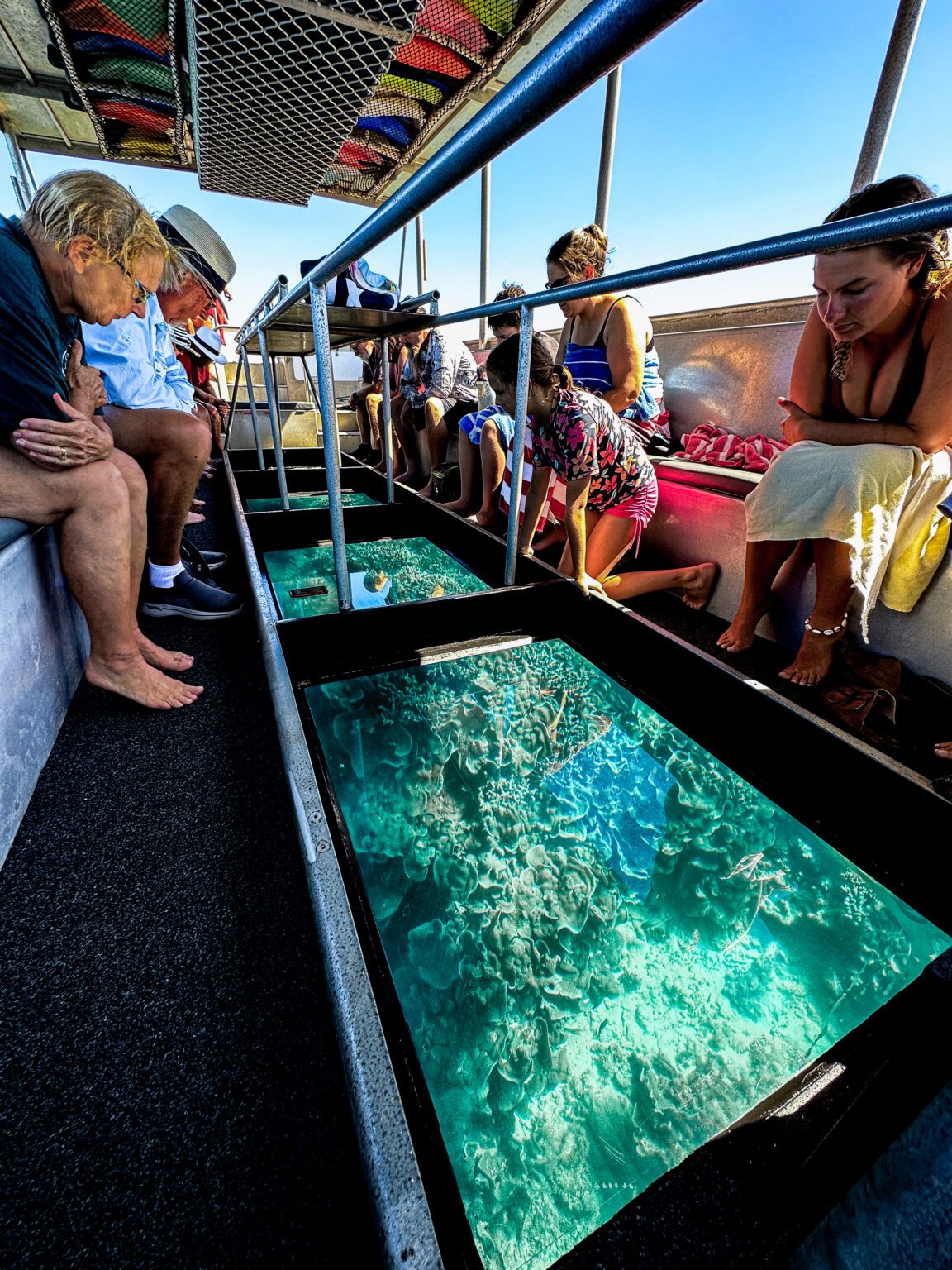
Local boat operators synchronize departures with published tide tables, ferrying visitors across the shallow channel in vessels fitted with transparent acrylic panels that reveal the coral gardens below.
The Diani Beach glass bottom boat service began in the early 2000s when Kenyan marine guides recognized that many visitors lacked snorkeling confidence but wanted reef access. Glass-hulled designs borrowed from Mediterranean tourist fleets were adapted to the shallower East African littoral, where visibility averages fifteen meters during the dry months of January through March and again from July through October. The boats draft less than half a meter, allowing passage over staghorn coral colonies and through eel-grass beds that would ground conventional keels. Operators must hold Kenya Wildlife Service permits and adhere to no-anchor protocols within the Kisite-Mpunguti Marine Protected Area buffer zone that informally extends north to Diani's reef edge.
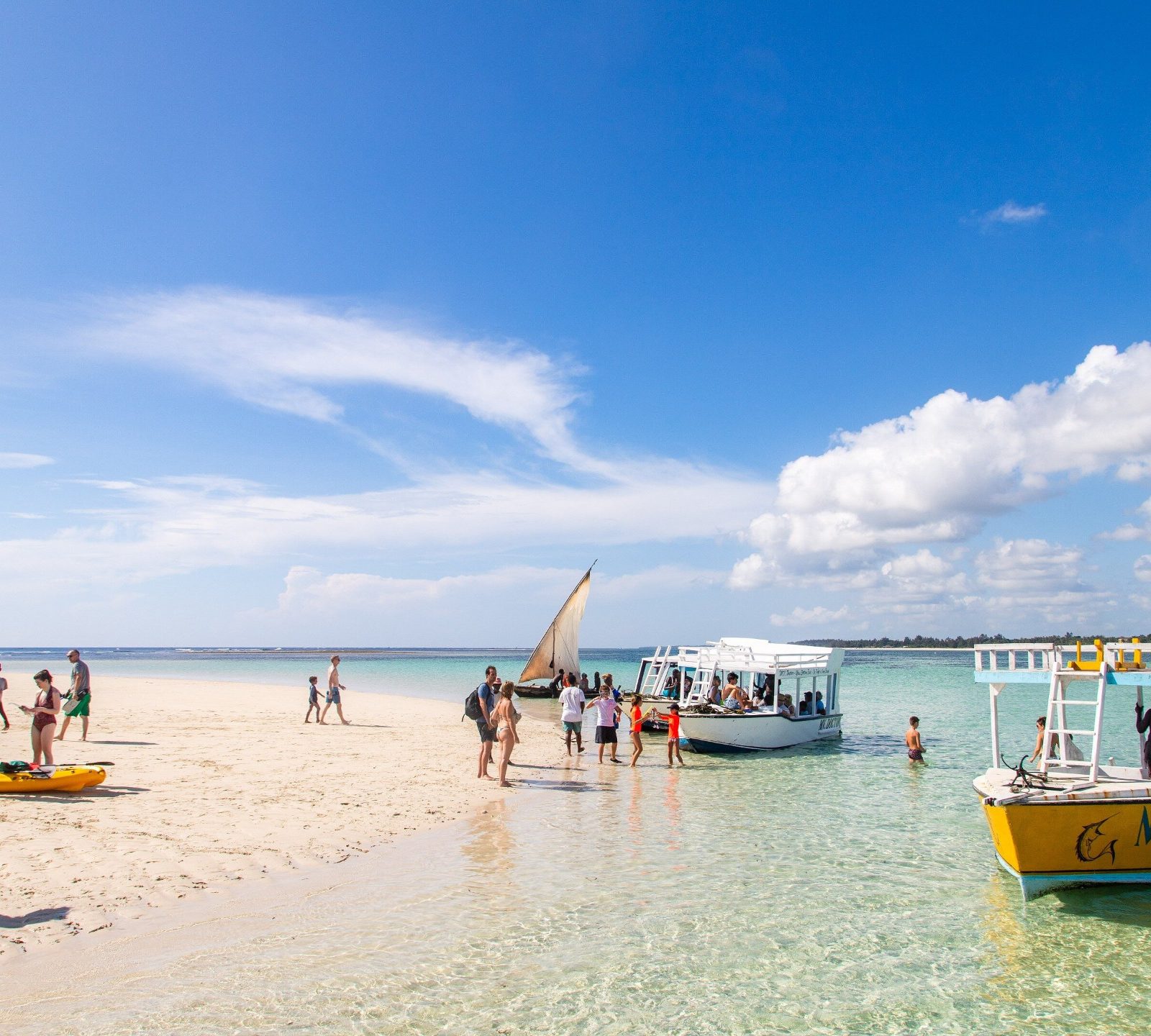
What distinguishes Robinson Island tours from standard reef drifts is the dual-environment itinerary. Outbound crossings prioritize coral observation through the glass panels — guides point to sergeant majors, parrotfish, and occasional hawksbill turtles browsing the reef structure. Upon reaching the sandbank, passengers disembark for wading, shell collecting, and photography against the exposed sand plateau. The island's impermanence governs every decision: guides monitor tide charts via mobile apps, and departure windows close when water depth exceeds safe viewing range or when wave action obscures the glass.
Package pricing reflects operator partnerships with Diani's resort strip. Most tours bundle boat transport, guided reef commentary, and sandbank time into two-hour blocks. Some operators include snorkeling gear for those wishing to enter the water near the sand's perimeter, where depth remains under two meters even at slack tide. Conservation fees are not levied at Robinson Island itself, as it lies outside formal marine park boundaries, though operators contribute to voluntary reef-monitoring funds. The experience hinges entirely on tidal cycles, making advance booking essential but departure confirmation always provisional until six hours prior.

"Robinson Island exists only when the Indian Ocean permits."
A step-by-step walkthrough of Diani Beach Glass Bottom Boat tickets — what you'll see, how long each stage takes, and the details that matter.
You board at Diani's main beach access point sixty minutes before predicted low tide, stepping onto a fiberglass hull with a rectangular glass panel occupying the center deck. The boat slides into knee-deep water, and within five minutes the seabed drops away to reveal branching coral formations three meters below.
Your guide kneels beside the glass, tapping to indicate a moray eel threading through crevices, then a school of blue-striped snappers banking in unison.
The crossing takes twelve minutes. Ahead, a pale crescent emerges as water drains from the sandbank's highest ridge. You disembark onto firm sand ribbed with tidal channels, the reef now encircling you in a shallow lagoon. For the next seventy minutes you wade the perimeter, photograph the boat framed against open ocean, and collect sun-bleached shells the tide delivered overnight. The guide signals ten minutes before departure — the sand's edges are darkening as the Indian Ocean begins its return. You climb back aboard, and the glass panel resumes its function, showing the same coral heads now from a slightly higher water column. By the time you reach shore, the sandbank has vanished beneath a meter of advancing tide.
Tours operate daily from 00:00–23:59, though availability is strictly tide-dependent. Plan to arrive between 06:00–17:00 for the best experience.
No, the boats are not wheelchair accessible due to the boarding conditions at the beach.
There is no standalone gate fee for Robinson Island. Access is included as part of your diani beach glass bottom boat tour package.
Bring sun protection, a towel, swimwear, a hat, and a water-resistant bag for your valuables.
Yes, children are welcome and often pay half-price for a diani beach glass bottom boat tour.
Yes, photography is encouraged on all diani beach glass bottom boat trips to capture the marine life and scenery.
You can book through local tour operators or online travel agencies that coordinate transfers to the beach.
The best time is during low tide when the Robinson Island sandbank emerges, allowing you to walk and swim.
Some packages include seafood lunch and water, but you should confirm these details with your specific diani beach glass bottom boat operator.
You can visit the Kaya Kinondo Sacred Forest or the Colobus Conservation center, both located a short drive from the beach.